 My Safe Swimmer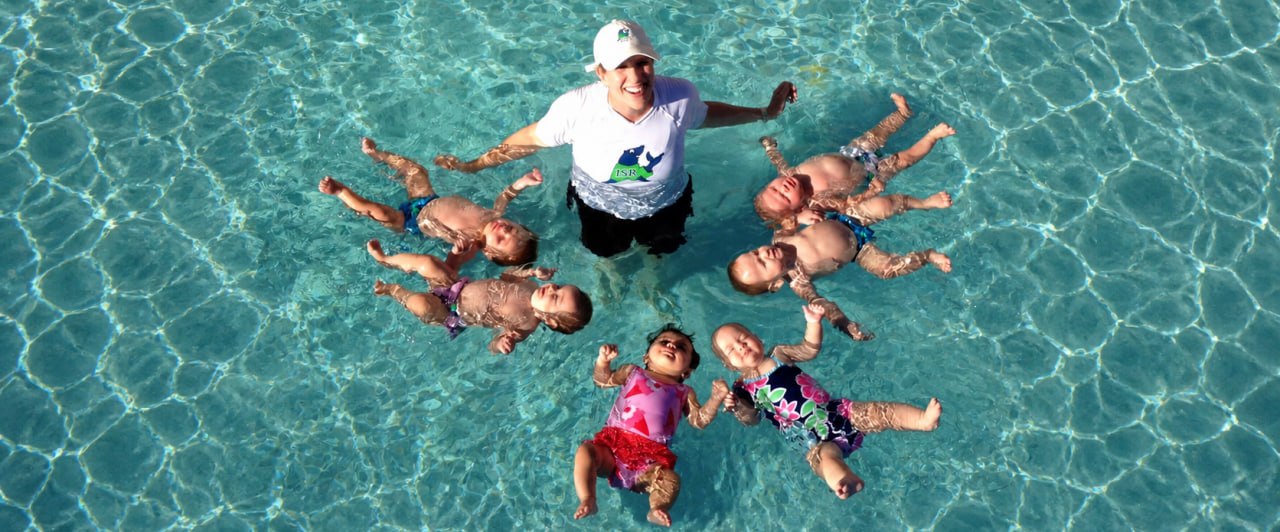

FAQ
Questions parents ask before starting ISR.
ISR is the product of over 50 years of ongoing development in the area of aquatic survival for infants and children. ISR's primary focus is to teach your child to become a productive swimmer, or floater, in any depth of water. As a result of ISR instruction, your child will become an "aquatic problem solver." ISR will greatly increase your child's chance of surviving an aquatic accident, even fully clothed! Developed in 1966 by behavioral psychologist Dr. Harvey Barnett, ISR instructors have taught children from 200,000 families and provided students with 8 million safe lessons nationwide.
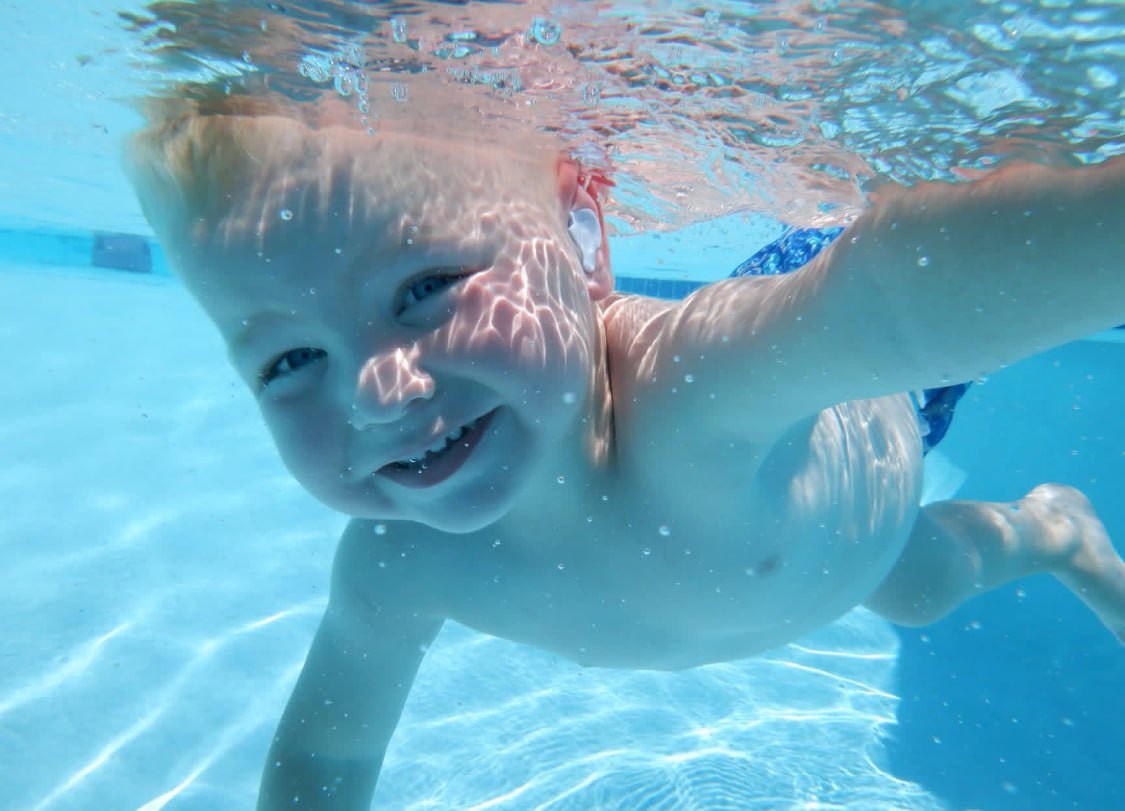
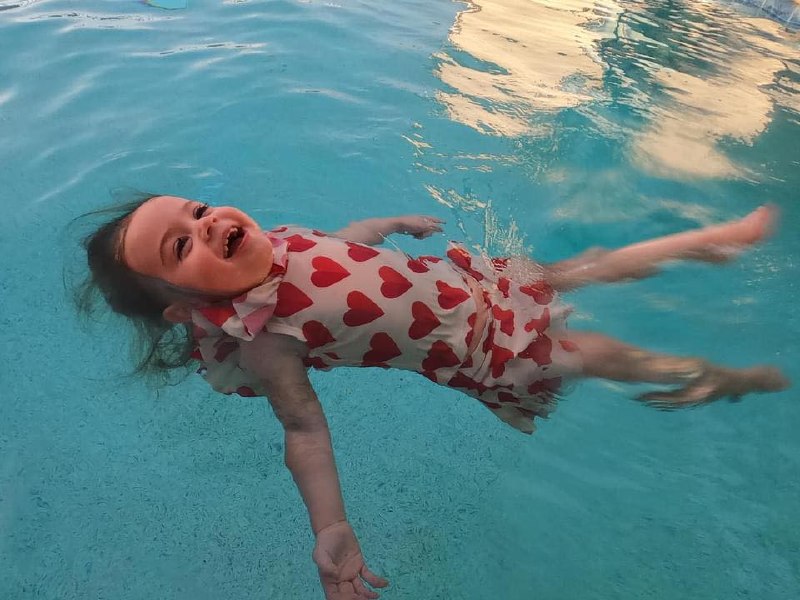
Children 6–12 months old learn the Roll-Back-to-Float technique. Your child will learn to hold their breath underwater, roll onto their back, and float unassisted — resting and breathing until help arrives. These skills are taught first in a swim diaper, then while fully clothed. Teaching your infant to float takes approximately 3–5 weeks with private 10-minute lessons held Monday through Friday. ISR highly recommends survival training when your infant begins to crawl.
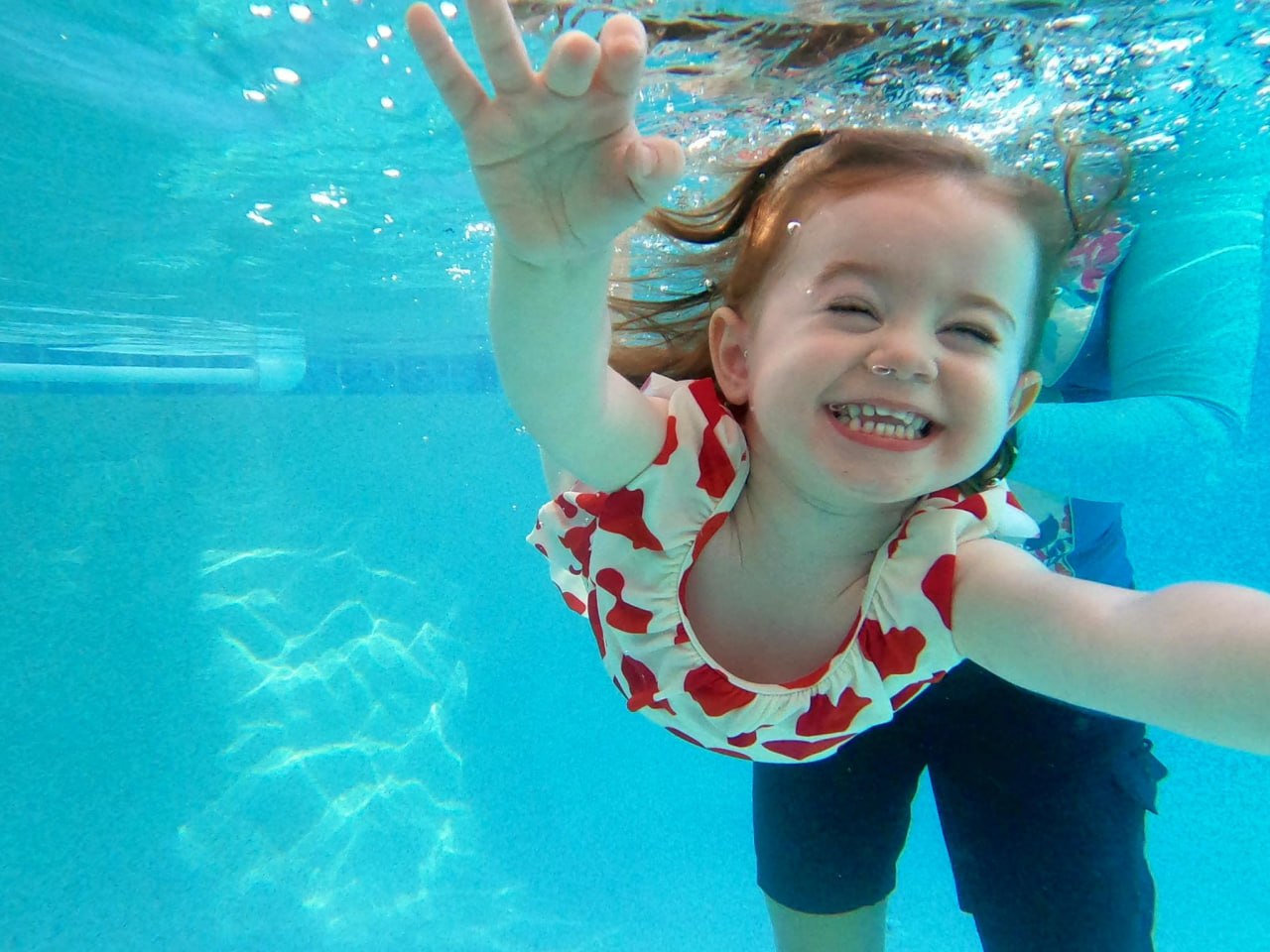
Children over 1 year learn the Swim-Float-Swim sequence: hold their breath underwater, swim with their head down, roll onto their back to float, rest and breathe, then roll back over to resume swimming until they reach safety. They learn to perform these Self-Rescue skills first in a swim diaper, then while fully clothed. Teaching your 12-month to 6-year-old takes approximately 4–6 weeks.
Yes! No other swimming program currently available has the number of safety protocols required by ISR. Your child's health and well-being is closely monitored on a daily basis. A child is never thrown into the pool. A child is never submerged for more than seven seconds. ISR instructors monitor your child for temperature and muscular fatigue, water intoxication, and psychological well-being.
ISR recommends that you bring your child back for a refresher course; frequency depends on the child's age, growth rate, skill, and confidence level. This helps your child adjust to their new body size and weight. While no swimming program can make your child "drown proof," ISR students have a 94–100% retention rate up to one year after their lessons.
First-year ISR students pay a $105 registration fee to ISR. The 4–6 week program fee is $120 per week for five one-on-one lessons Monday–Friday. Returning students pay a $40 annual registration fee; refresher lessons are $100 per week. We accept cash, check, Zelle, Venmo, Square, or PayPal. Scholarships are available — contact Colleen directly.
The first few weeks are a critical time of adaptation. Some babies cry because crying is a form of infant communication. Each child reacts uniquely. Some never cry, and most children stop crying when they become skilled in the water. It is very important that parents set the example by keeping a positive tone during lessons and at home.
ISR instructors teach infants to swim by honoring each child's individual strengths and experiences. They understand the fundamentals of behavioral sciences, child development, and sensorimotor learning as it relates to the acquisition of aquatic survival skills.
No, nobody can ever drown-proof your child. Be leery of any program that advertises they can. ISR teaches survival skills that dramatically increase your child's chance of surviving an aquatic emergency.
We do not want the baby to initially associate the water with the love and affection of the parent. It takes incredible concentration and objectivity to teach a baby how to react to an aquatic emergency. Once the child is fully skilled, I will have you get in the water so I can show you how to honor the skills your child has learned.
It is important that the child not fear the water because being fearful would make it more difficult to learn the necessary skills. There is an important difference between being fearful and being apprehensive because you are not yet skilled in a dangerous environment.
Yes. More than 200,000 infants and young children have gone through the ISR program with over 8 million safe and effective lessons. To date, 800 children have saved themselves from definite drowning situations using ISR skills.
ISR Instructors are the most highly trained in any swimming program in the country and must undergo strict annual re-certification. Each instructor is trained in child development, behavioral science, anatomy, physiology, and physics. In addition, each instructor completes a minimum of 60 hours of hands-on, supervised, in-water training. All instructors are CPR and First Aid certified.
Children under the age of 6 months are not neurologically mature enough to benefit from ISR instruction.
Children change so much both cognitively and physically during the first 2–3 years of life. Refresher lessons help your child's aquatic skills grow with them so they can continue to swim safely and effectively.
Breath-holding skills are taught in the first lesson. We shape breath control using highly effective positive reinforcement techniques.
Flotation devices give children a false sense of security and hold them in postures that are not compatible with swimming skills. Life jackets must be worn in a boat or around water when there is potential for accidental submersion, but they are not a substitute for the ability to swim or for adult supervision.
A baby does not need to perceive danger to respond appropriately to being underwater. If a baby has learned to roll over and float when they need air, they don't need to perceive danger — they need skill, practice, and confidence to calmly deal with the situation.
Dr. Harvey Barnett, who holds a Ph.D. in Psychological Foundations from the University of Florida, researched and developed this program over more than 40 years beginning in 1966. For more information, visit infantswim.com.
The lessons require a lot of physical activity. We don't want students to eat at least two hours prior to lessons because sometimes when students are crying they swallow air. If a child has recently eaten, the food can come up when burping. Not feeding a child at least two hours prior reduces the likelihood of this happening.
Still have questions?
Colleen is happy to answer any questions about ISR lessons for your child.
Get in Touch